

5.0 on Clutch, verified client reviews
The App Team Founders Wish They'd Hired First
We design, build and launch iOS appsAndroid appsadmin panelsAI featuresweb platformsiOS apps
Trusted by startups and global brands, we deliver scalable iOS, Android, web, and cross-platform apps across healthcare, travel, A.I and eCommerce with 30+ successful launches.
No upfront payment
Flexible payment plans
Your code from day one
Featured Projects
Six Founder Ideas We Turned Into Real Apps
Healthcare, community, travel, food and wellness. Every project here started as a founder's idea and left our team as a finished product in real users' hands.
Pick a client logo to bring their app to the front.
Testimonials
Don't Take Our Word for It. Take Theirs.
Seven clients, seven honest stories, in their exact words.
Read what they wrote, or watch them say it on camera.
BlissTrax
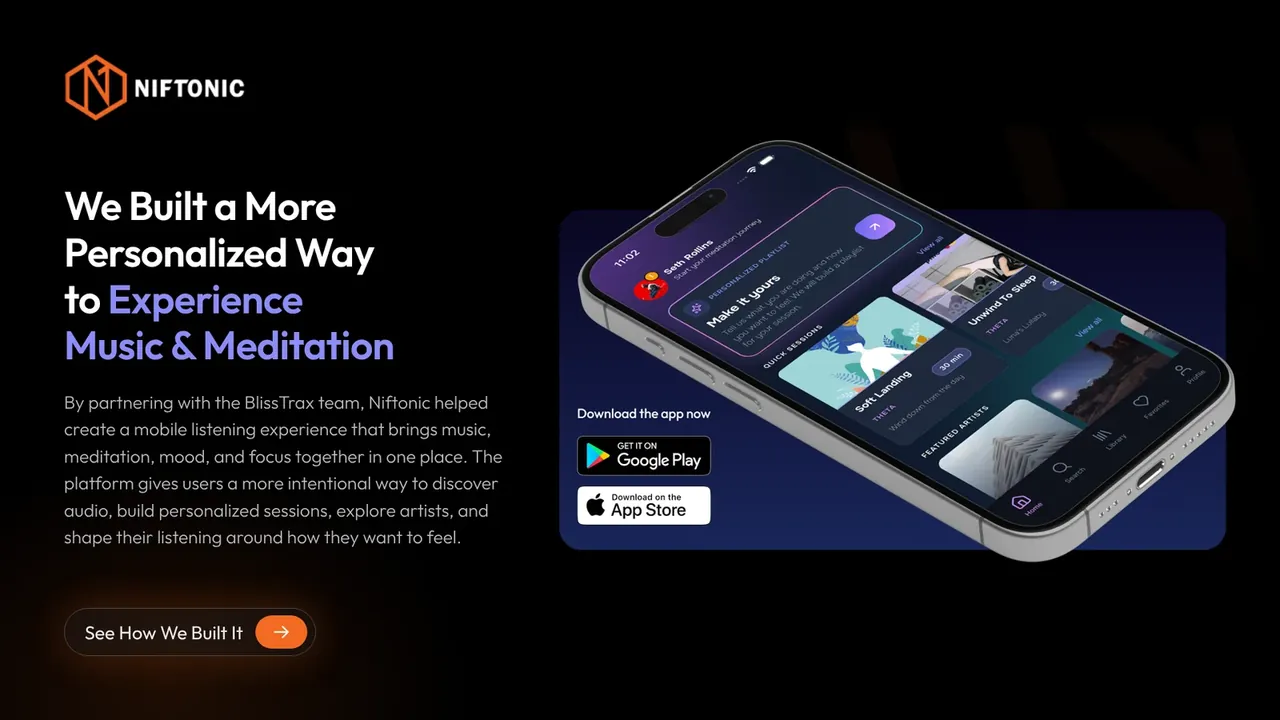
Taimoor and his team rebuilt BlissTrax. They've redone the UI, redone the backend, and every little idea we shared, they have brought it to life. And we are not the easiest people to work with, we change things, we get ideas, and we want to see them in real time. And Taimoor's team makes it happen. I have been so pleased with their work over the past two years. I don't know what we would do without them.
 Cami WolffDirector of Marketing at BlissTrax
Kitchen Stage
When I first started this journey, I was with a different company, deadlines weren't happening, promises weren't coming true, and I just felt stuck. That's when I found Taimoor and his team at Niftonic. They took over the app, fixed the code, and brought it to life, on time and in budget. There were even parts where they made the app better than I thought it could be. If you have an idea for an app, this is the place to start.
 Zach SummersFounder & CEO of Kitchen Stage
Dungeons Not Dating
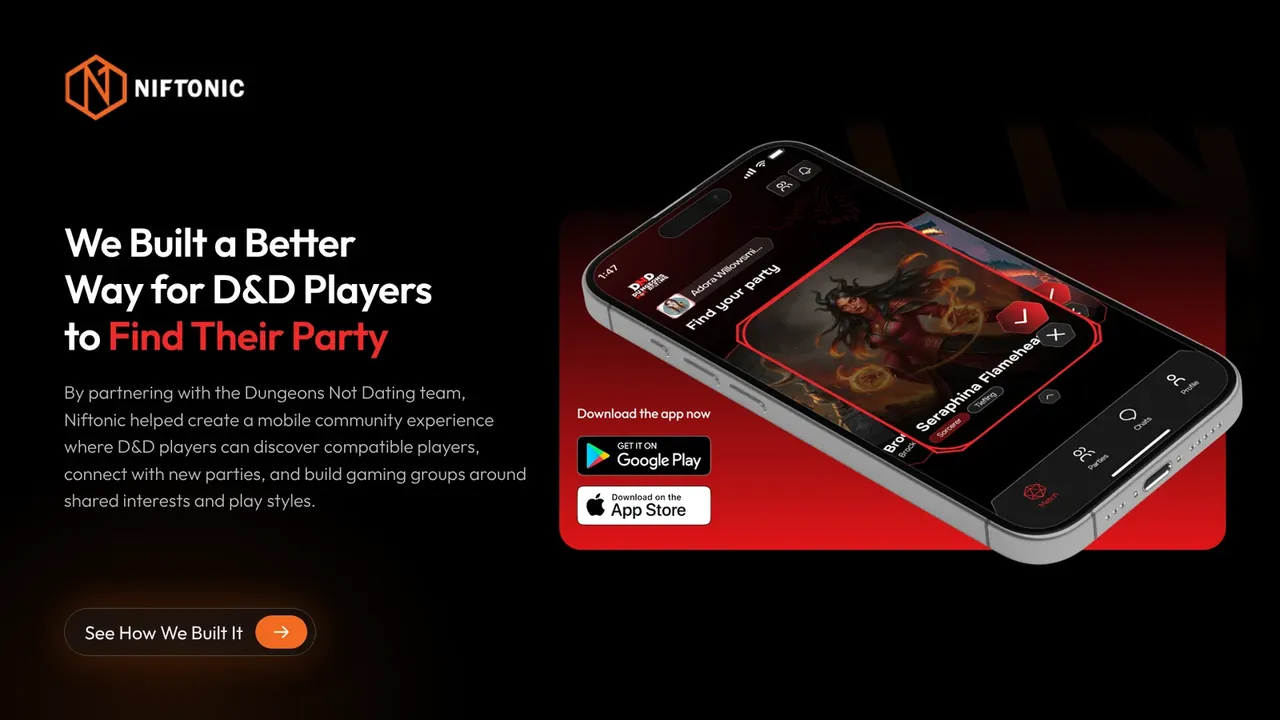
I went through not one, not two, but three other development companies that overcharged me, gave me broken code, and a whole lot of disappointment. Then I was introduced to Taimoor and his amazing team at Niftonic. Within days, I saw the value they brought. They were beyond helpful, more than a partner, really a trusted friend, with very high quality at a low cost. And just that peace of mind, knowing my project was finally in the right hands.
 Rachel DoveFounder & CEO of DND
Remerge
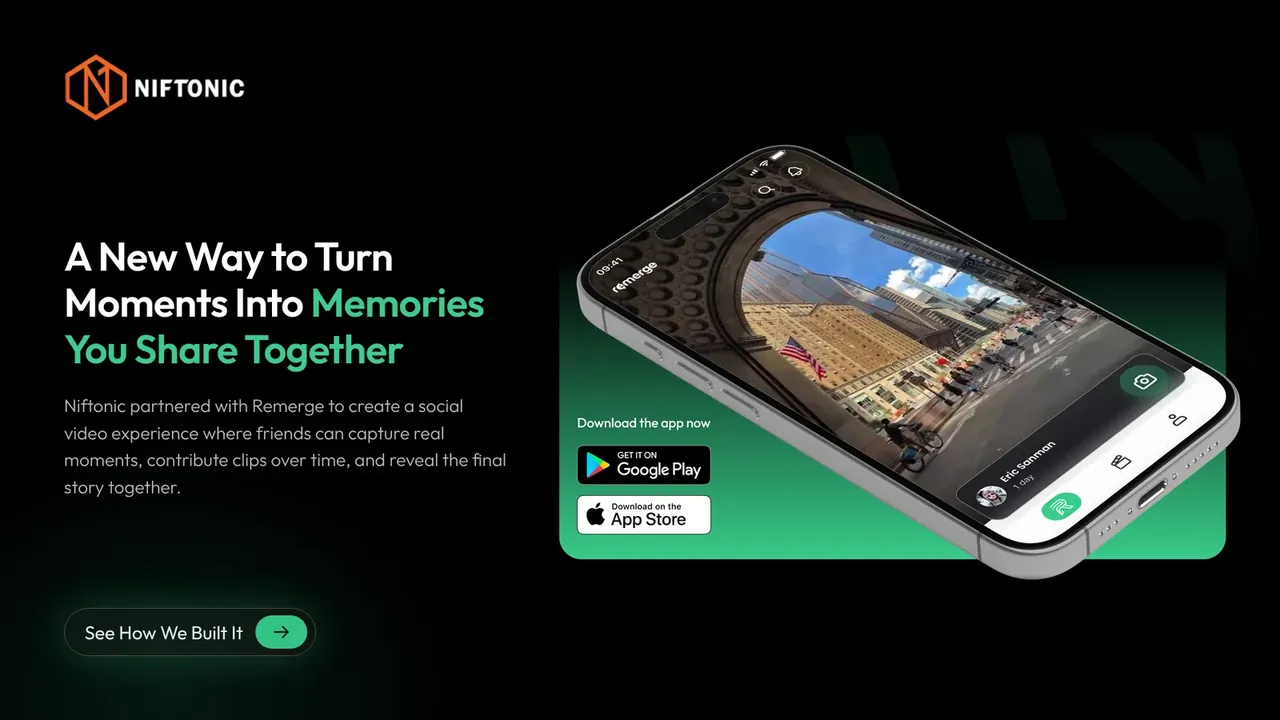
My previous agency went through my budget and delivered a product that was incomplete and full of dozens of bugs. Ever since working with Niftonic, they have been a complete godsend, I would not have been able to finish my project without them. Since the very first call, they have been completely transparent, collaborative, and very helpful. You'll get a high-quality product, delivered on time, with a lot of trust and support along the way.
 Hayden HassellFounder of Remerge
Group It Up
Niftonic built Group It Up from scratch design, development, everything from frontend to backend. We launched on both iOS and Android, crossed 100 downloads in our first month, and over 70% of our users were still active two weeks in. I've felt like a priority since the beginning. What impressed me most wasn't just the quality of work; it was the relationship we built as a team. They exceeded my expectations, and I'll always refer colleagues to them.
 Slana GibsonFounder & CEO of Group It Up
Treetalk Therapy
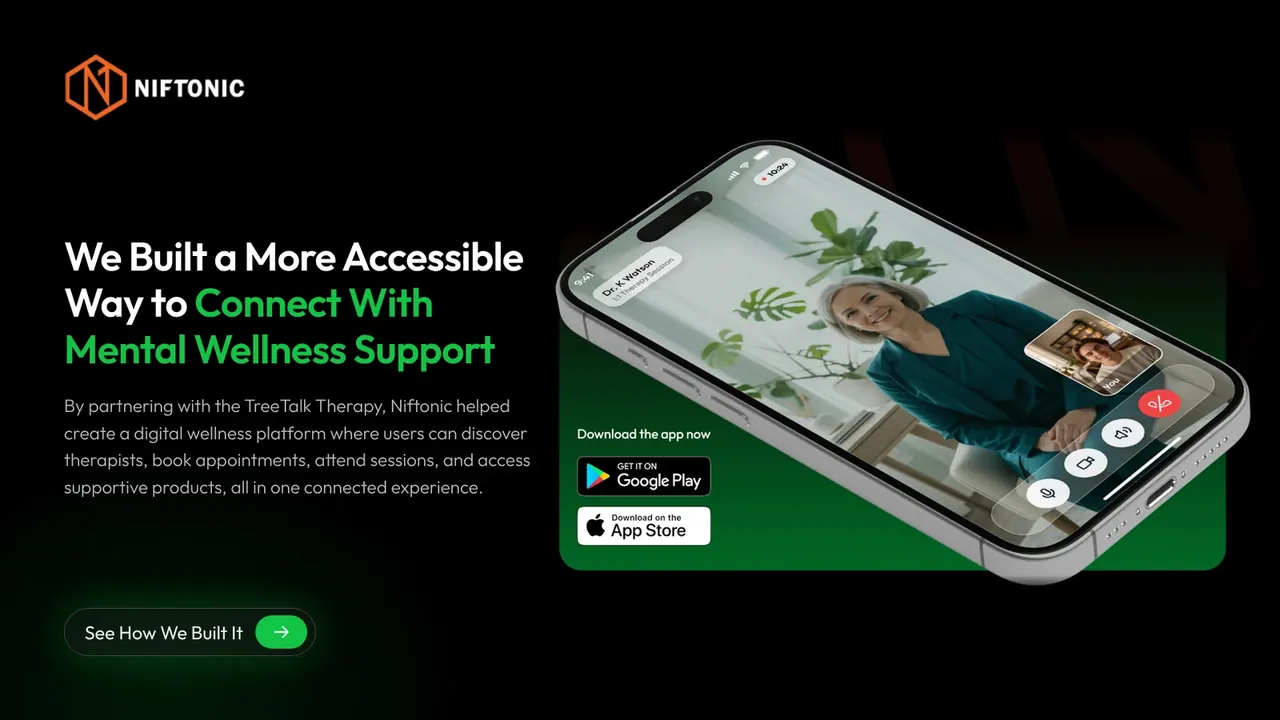
I came to Niftonic after a failed project with another developer. I had already paid a pretty penny, and I was fearful of spending a single dollar more. But I stood on faith, and Taimoor came in, cleaned up everything, and made the app what it is today. Every idea I had in my head, even the ones I couldn't put into words, they brought to life. He knows what he's doing, and he has never let me down.
 Michael MilfordFounder & CEO of Treetalk Therapy
BlissTrax
After being turned down by the Apple and Google stores numerous times, we ran out of patience. Then we were introduced to Taimoor and his team at Niftonic. From the very first meeting, they showed talent, integrity, and passion. They repaired the broken code left by a previous company and got BlissTrax live on both stores. The flexibility and creativity they bring to the table is unmatched. I couldn't give a higher recommendation.
 Philip TrapkinFounder & CEO of BlissTrax
Client video testimonials
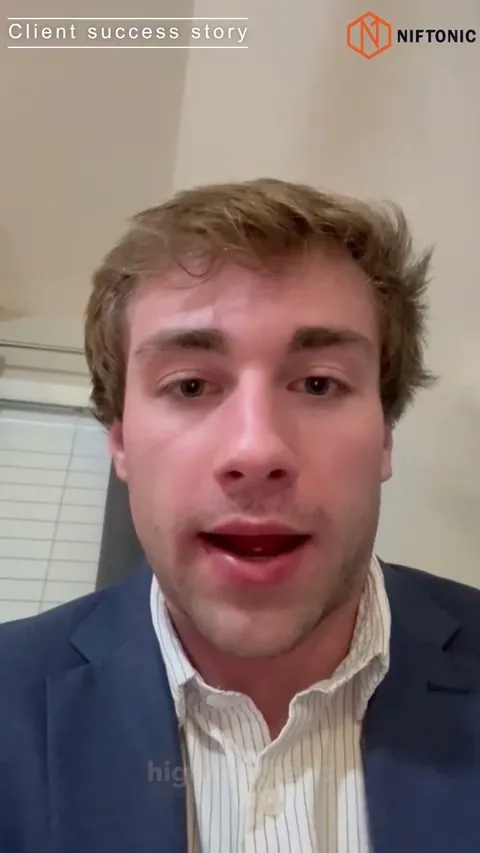
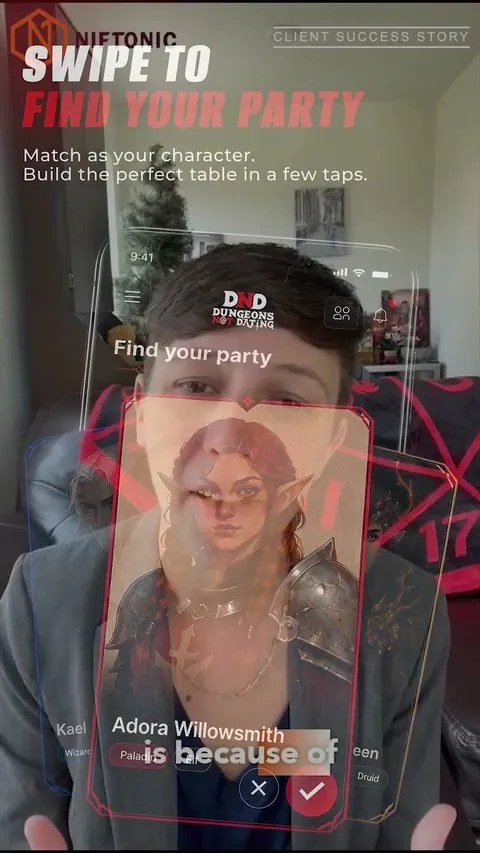
App rescue
Stuck with a half-built app? We finish what others started.
Missed deadlines, broken code, store rejections, a budget already spent. Most of our clients arrived with exactly that story, and every one of them launched.
1Free audit2Fix or rebuild3Launch
Get a free app audit
5apps rescued after
another team fell short
another team fell short
-
Rachel DoveDungeons Not DatingBefore
“Three other development companies that overcharged me, gave me broken code, and a whole lot of disappointment.”
What we didRebuilt properly and launched as a matchmaking app for D&D players.
-
Philip TrapkinBlissTraxBefore
“After being turned down by the Apple and Google stores numerous times, we ran out of patience.”
What we didBroken code repaired. BlissTrax went live on the App Store and Google Play.
-
Zach SummersKitchen StageBefore
“Deadlines weren't happening, promises weren't coming true, and I just felt stuck.”
What we didApp taken over, code fixed, and shipped on time and in budget.
-
Hayden HassellRemergeBefore
“My previous agency went through my budget and delivered a product that was incomplete and full of dozens of bugs.”
What we didBugs cleared, missing pieces built, and the product finally finished.
-
Michael MilfordTreeTalk TherapyBefore
“I had already paid a pretty penny, and I was fearful of spending a single dollar more.”
What we didEverything cleaned up and turned into a working telehealth platform.
Our Services
Everything Your App Needs, Under One Roof
From the first wireframe to launch day and long after it. One in-house team handles mobile app development, web, AI, design and growth.
No juggling five vendors. No handoffs where things get lost.
Mobile App Development
iOS and Android apps built in React Native for speed, security and scale. Every app we ship comes with its own admin app, so you run your platform without calling a developer.
- iOS apps
- Android apps
- React Native
- Admin app included
Web App Development
Secure, responsive web platforms, from admin panels and SaaS products to business websites.
- Admin panels
- SaaS platforms
- Business websites
Custom Software Solutions
Tailor-made systems designed around your exact workflow, vision and goals.
- Health apps
- Internal tools
- Booking systems
AI Solutions
AI features that automate work, personalize your product and sharpen decisions.
- AI chatbots
- Recommendations
- Predictive analytics
UI/UX Design
Intuitive, modern app design. Every screen and flow is crafted to keep users engaged.
- UX research
- Wireframes
- App prototypes
Support & Maintenance
Monitoring, updates and bug fixes that keep your app secure, fast and reliable after launch.
- App monitoring
- OS updates
- Bug fixes
Digital Marketing
Marketing that puts your app in front of the right audience and turns attention into growth.
- App store listings
- Social media
- Paid campaigns
Success Stories
What Happened After We Shipped
A screenshot shows what an app looks like. These are the results behind five of them, taken from each founder's own verified review.
Pick a project to see what changed.
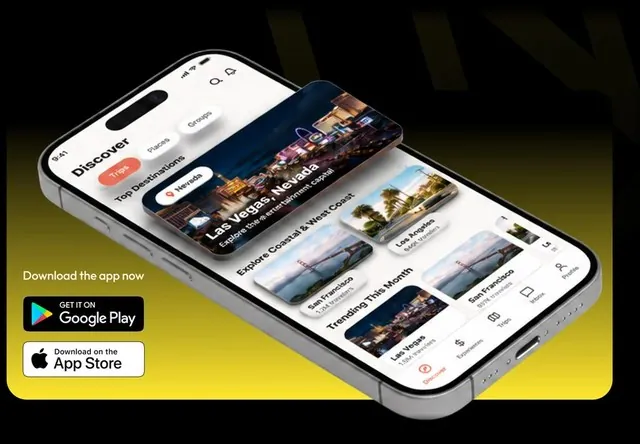
Travel · Group planning
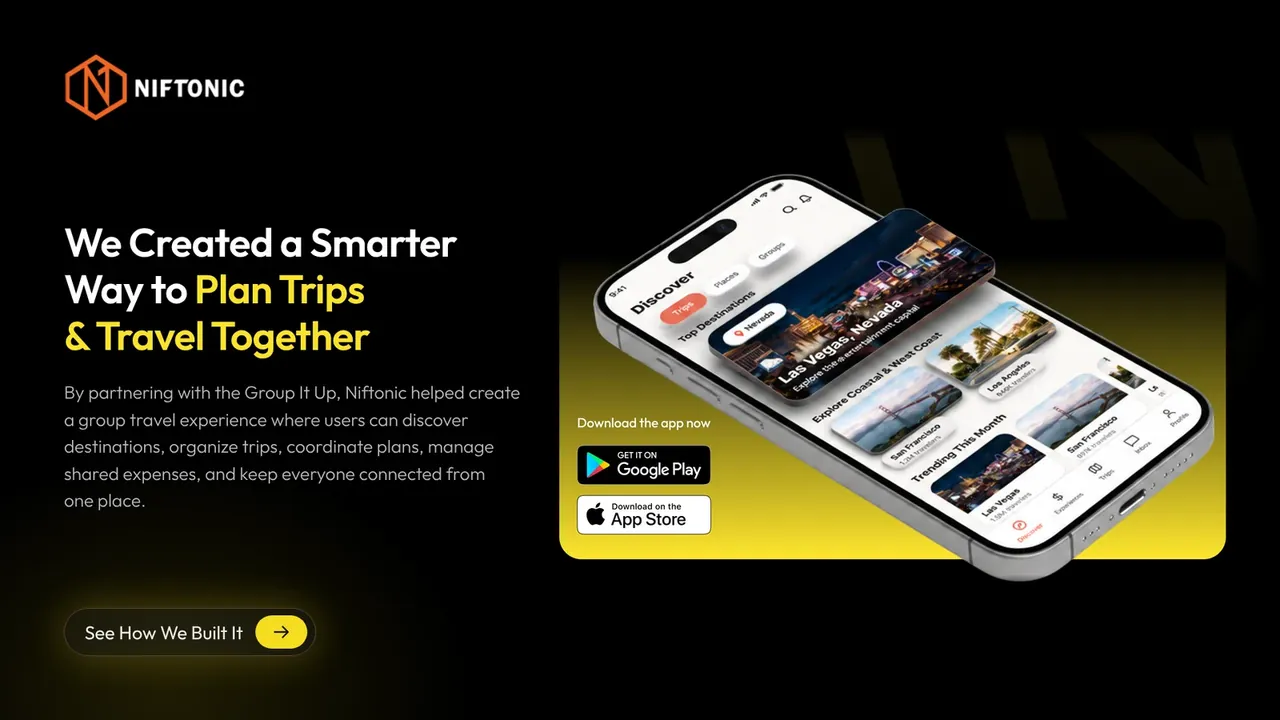
A Smarter Way to Plan Trips and Travel Together
We built Group It Up from scratch, from design to backend: a group travel app where friends discover destinations, organize trips and keep everyone coordinated in one place.
- 100+downloads in the first month
- 70%+of users still active two weeks in
- 2platforms at launch: iOS and Android
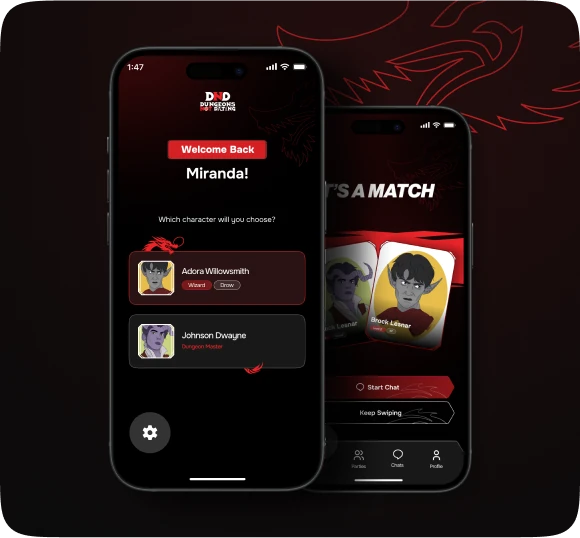
Community · Matchmaking
A Better Way for D&D Players to Find Their Party
We helped Dungeons Not Dating bring the Dungeons & Dragons community together with a matchmaking app that connects players for campaigns, quests and collaborative storytelling.
- 3agencies had tried and failed before us
- Daysuntil the founder saw the difference
- Swipeto find your party, matched by play style
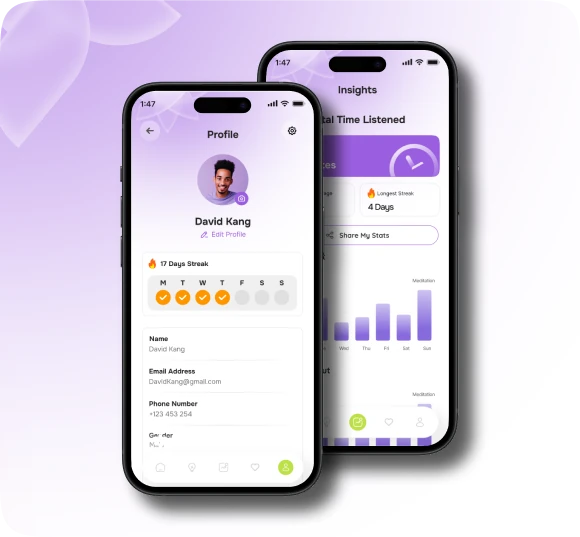
Wellness · Music
A More Personalized Way to Experience Music & Meditation
We rebuilt BlissTrax, front to back, to help people relax, focus and improve their wellness through curated soundscapes in one calm, simple app.
- 2app stores live, after repeated rejections
- 2+ yrsworking together, and counting
- Fullrebuild of both UI and backend
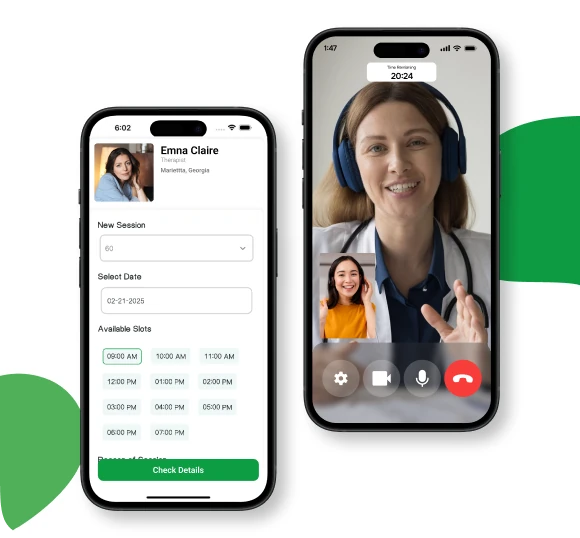
Healthcare · Telehealth
Your Safe Space to Talk, Heal, and Grow
We took over TreeTalk Therapy after a failed build and turned it into a secure telehealth platform that connects people with licensed therapists from anywhere.
- Rebuiltafter a failed project elsewhere
- Livevideo sessions, booked in the app
- Licensedtherapists only, on a secure platform
Food · Social
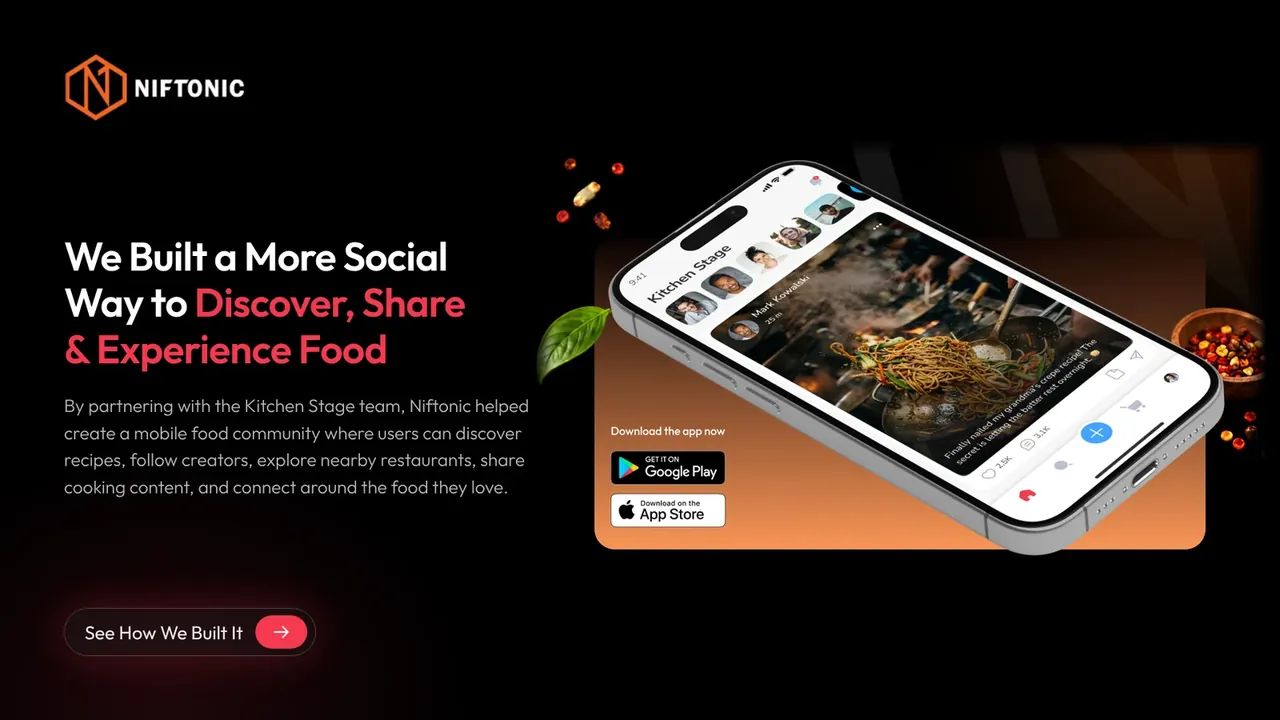
Where Recipes Go Viral
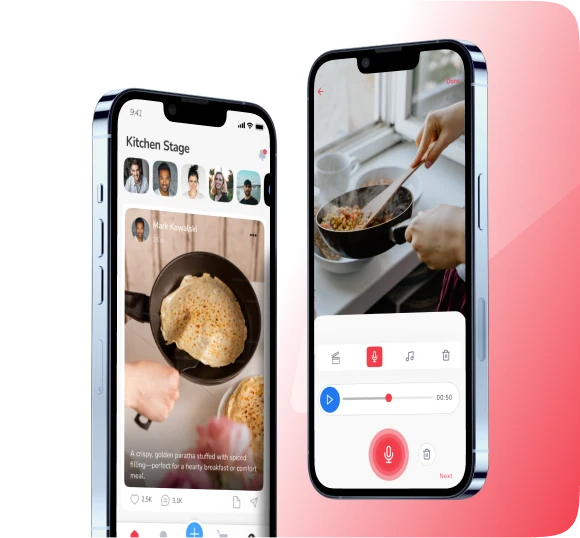
We took over Kitchen Stage from another company and shipped a social cooking platform where food lovers record, share and discover recipes.
- On timeand in budget, in the founder's words
- Taken overand fixed from a previous team
- Videorecipes to record, share and discover
How We Work
Our App Development Process: From Idea to Launch in Seven Clear Steps
No black box. You always know which step your app is on, what happens next, and what you will have in your hands at the end of it.
Scroll down and watch an app come together.
-
01
Ideation
We start by listening
Strategy sessions where we learn your vision, your business goals and who your users are.
You get: Clarity on what to build, and why -
02
Planning
Every task gets a date
We draft a detailed product roadmap with tasks, timelines and dependencies, so the project stays on track.
You get: A detailed product roadmap -
03
Design
Your idea gets a face
Our UI/UX designers craft intuitive, accessible screens that balance good looks with ease of use.
You get: The full UI/UX design of your app -
04
Prototype
Tap through it before we build it
An interactive prototype validates the key workflows early, so there are no surprises later.
You get: A clickable prototype -
05
Build
Clean code, shown every week
Our engineers build a robust, scalable and secure product, with daily check-ins and weekly demos.
You get: A working demo every week -
06
Test
We break it so your users can't
Automated pipelines and manual QA across devices check performance, security and accessibility.
You get: An app tested across devices -
07
Launch & Support
Live, and we stay with you
Your product goes live, followed by monitoring, maintenance and new features as you grow.
You get: A live app and a team that stays
Why Niftonic
You Don't Pay Until You've Seen Real Work
Most agencies ask you to trust them first. We would rather earn it. This is exactly how your first month with us works.
Flip the switch to compare it with how it often goes elsewhere.
Your money at risk in month one$0
-
Day 0
We agree the plan
A free consultation, a clear scope and a timeline in writing. You pay nothing.
-
Day 1
You get the keys
The code repository and every account are yours from the first day. What you pay for is always yours.
-
Week 1 to 4
We build, you watch
Regular updates and working builds, so you always know where your app stands.
-
Day 30
Now you pay
Your first payment comes only after a month of delivered work. After that, a flexible plan that fits your budget.
- Deadlines we keepA clear timeline before we start, and we stick to it.
- A real, registered companyNiftonic Private Limited, with its own office and in-house team.
- You talk to the founderTaimoor is on your calls himself, from the first consultation onward.
Taking on new projects
Send us a message. Let's talk.
Tell us where your app stands today. An idea on paper, a half-built product or a live app that needs a better team: we will tell you honestly how we can help.
- Free consultation
- On US hours, 7 days a week
- A reply from a real person
 Online now
I have an app idea and need the right team to build it.
Let's talk. Book a free call and we'll map out your app together.
Write your message…
Online now
I have an app idea and need the right team to build it.
Let's talk. Book a free call and we'll map out your app together.
Write your message…